You want to buy genuine Bengal terracotta, perhaps a Bankura horse or a small temple panel, but online listings swing from a few hundred rupees to several thousand with no clear reason why. The craft covers temple carvings, ritual figures, jewellery and home décor, each with its own origin village and price logic. This guide explains where Bengal terracotta comes from, how an authentic piece gets made, what buyers often misunderstand, and how to choose a genuine piece with confidence.
Where Bengal terracotta comes from
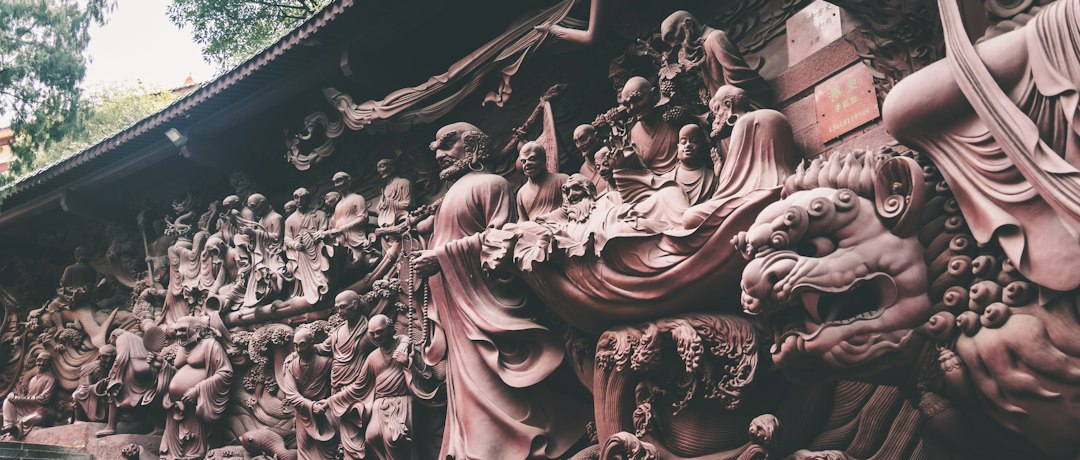
Bankura district in the western part of West Bengal is famous for its terracotta crafts, and production started under the empire of the Malla dynasty. The temples here, built during the reign of the Malla kings in the 17th and 18th centuries, include the Rasmancha, the Madanmohan temple and the Jorbangla temple. Jorebangla temple has a carved ceiling that shows Islamic influence, and it is renowned for terracotta work narrating tales from mythology. Bishnupur itself sits about 140 kilometres from Kolkata, close enough for a weekend visit to see this work in person.
Twenty two kilometres from Bishnupur lies Panchmura, a village home to over 270 terracotta artists whose work travels across India and reaches markets abroad. The craft earned formal protection in 2018, when the Bankura Panchmura Terracotta Craft received a Geographical Indication tag, officially recognising its origin and safeguarding its authenticity under India's GI Act. To sustain the craft, Panchmura's Kumbhakar potter families train newcomers and organise an annual Terracotta Festival in November, which includes workshops for visitors.
How an authentic piece gets made
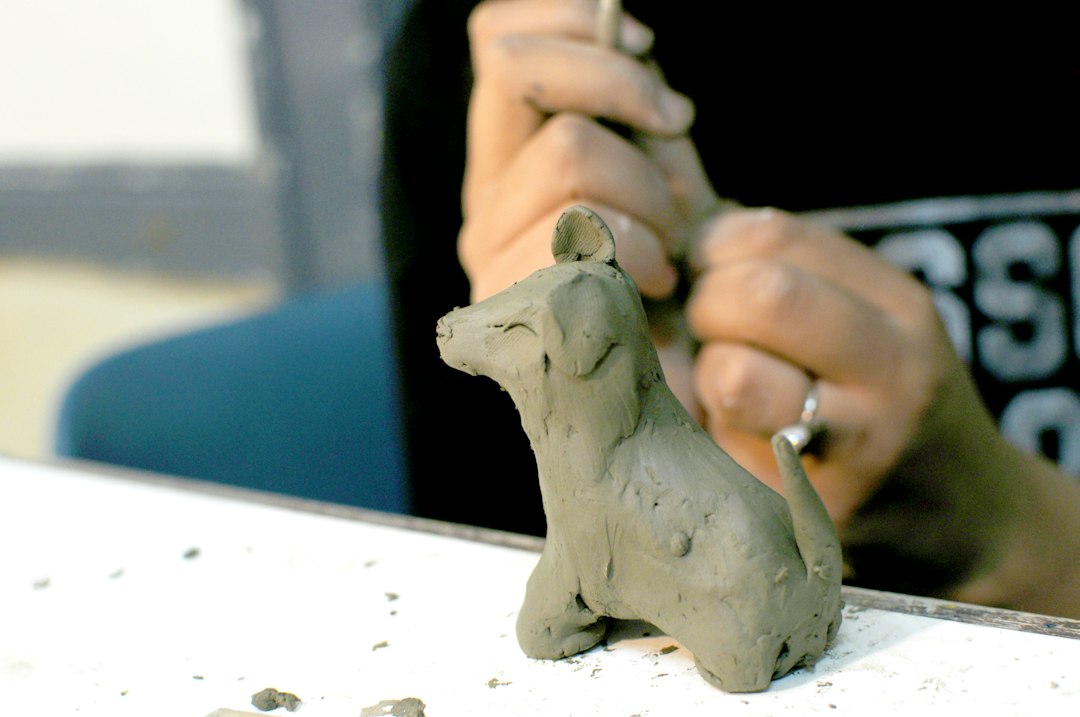
Terracotta handicrafts are made from locally available clay, with other materials like hay, sand and water added to make the mix strong. The clay carries a rich rust red colour because of high iron content, which reacts with oxygen to produce hues of red, orange, yellow and black. The shaped pieces are then fired in a traditional kiln, which gives the terracotta its distinctive red or black colour depending on the kiln atmosphere. Fine details such as leaf-shaped ears and tails are cast separately using molds and inserted into grooves left on the body.
Panchmura is not the only source of this work. Terracotta horses and elephants are also produced in Rajagram, Sonamukhi and Hamirpur, and each place has its own local style. Among the four, the Panchmura style is widely considered the best and the finest. That distinction matters when a seller lists a piece simply as "Bankura terracotta" without naming its actual village of origin.
What buyers often get wrong about Bengal terracotta
Many shoppers assume that every horse labelled "Bankura" sold today is fired clay. Wooden versions have become more popular among tourists because they are more rigid and do not break as easily, and while their shape matches the clay original, they cost noticeably more. A heavier, cooler piece is usually clay; a lighter, warmer one may be wood carved to the same design.
A second mix-up treats Bengal terracotta as one single tradition. Bengal clay pottery actually divides into two segments, Bankura clay pottery and Krishnanagar clay pottery, and Bankura's art form is older than Krishnanagar's. They look different and serve different purposes, so comparing their prices directly makes little sense.
A third misunderstanding concerns cost. Authentic pieces from skilled artisans can command a higher price, so a piece that looks surprisingly cheap deserves a second look, and bargains that seem too good to be true usually are. Low price alone is not a sign of a good deal here.
Buying Bengal terracotta: what this means in practice
Start by confirming the origin label. A piece sold as the Bankura Panchmura Terracotta Craft should carry that GI registration, which exists specifically to prevent imitation products from undermining the craft's originality and to improve market visibility for the artisans who depend on it.
Next, handle the piece before paying. Check its craftsmanship, surface texture, any artist's mark, colour and weight, and buy only from sellers you can verify. A rough, slightly uneven surface is often a sign of hand shaping rather than a mould-cast copy.
Match the price to the size and detail. Local prices for Bankura horses have historically ranged from about ₹20 to ₹2,000, rising with more elaborate work and larger size. Current online listings follow similar logic, with a 6 inch piece priced near ₹325 and a 24 inch piece near ₹3,500 at one Bankura terracotta seller.
Where possible, buy close to the source. Visiting Panchmura during its November festival, or ordering from a seller who names the GI registration directly, removes most of the guesswork that comes with an unmarked listing. Pick one small piece first, check it against these points, and the next purchase gets easier to judge.